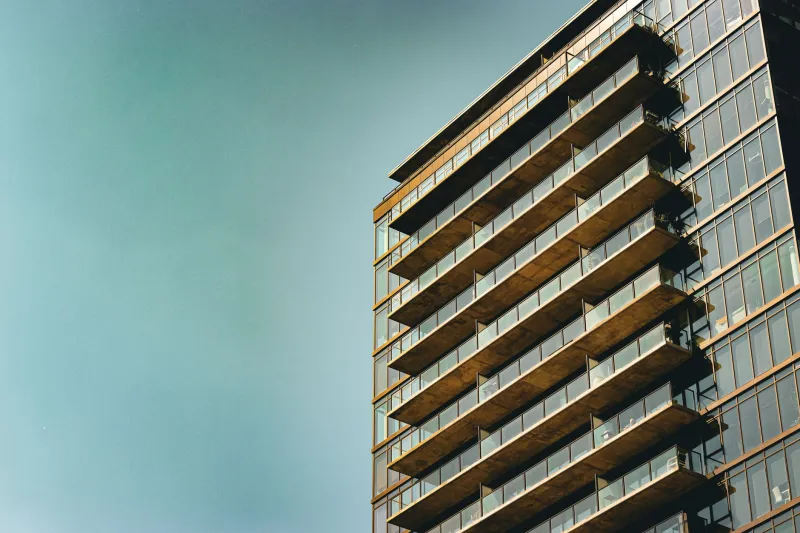
Paper Skyline: How to Vet a Tower That Doesn't Exist Yet
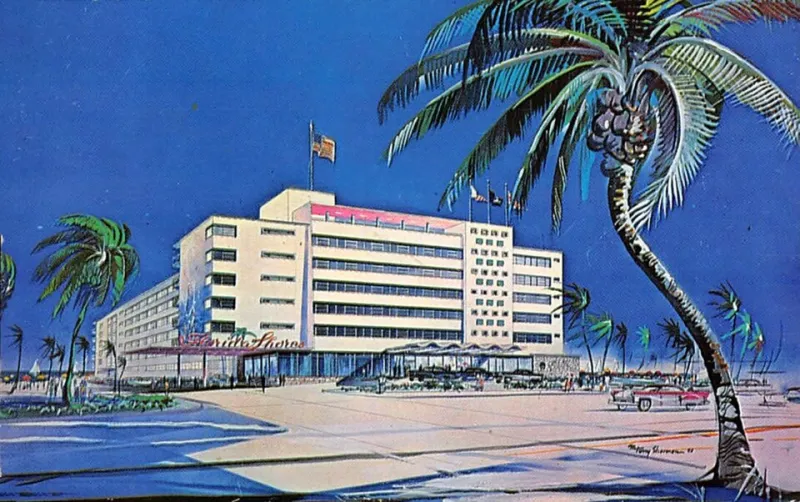
Photo: Pan American Pub. Corp., Public domain, via Wikimedia Commons
In American high-rise markets, the most consequential signature a buyer ever puts on paper is often affixed to a building that has not yet been built. Pre-construction purchases offer a rare combination — locked-in pricing, appreciation during construction, and first choice of line and floor — but they also concentrate risk in ways no resale transaction ever will. The difference between the buyers who cashed in and the buyers who walked away with a fraction of their deposit usually comes down to one thing: the rigor of the ninety days that follow the reservation.
Days 1 Through 15: Interrogate the Developer, Not the Rendering
The glossy brochure tells you nothing. The developer's capital structure tells you everything.
Start with the entity, not the brand. Many high-profile development firms operate through single-purpose LLCs, which means the company behind your tower may hold only a sliver of the parent's assets. Request the capital stack: how much equity is committed, who the construction lender is, and whether financing is fully underwritten or merely "in pursuit." A tower with a signed construction loan and an equity partner of record is a fundamentally different proposition than one selling reservations against a hoped-for loan.
Then look at completion history. Has this developer actually delivered a comparable high-rise in the last decade, on schedule and on budget? Call the property manager at a prior building and ask two questions: Did the developer honor defect warranties, and how long did punch-list work take after closing?
Days 16 Through 40: Read the Contract Like a Litigator
Pre-construction purchase agreements are drafted by the seller's counsel, and the asymmetry shows. Three provisions deserve disproportionate attention.
Material-change clauses. Most agreements grant the developer sweeping latitude to alter floor plans, finishes, square footage, and even unit counts within stated tolerances. A 5% square footage variance on a 1,200-square-foot unit is 60 square feet — and potentially a bedroom's worth of resale value. Negotiate the tolerance down and define what triggers a right of rescission.
Deposit escrow and release terms. In most US jurisdictions, deposits must be held in escrow, but confirm the account structure and whether funds are released to the developer during construction. Never accept a term permitting commingled or unescrowed deposits.
The outside closing date. Every contract has one, and every developer wants it long. A four-year outside date on a tower with a two-year construction schedule is not a buffer; it is an option. If the market softens, the developer can hold your deposit at zero interest while resale comps in the neighborhood decline beneath your locked price.
Days 41 Through 70: Underwrite the Market, Not Just the Unit
A pre-construction buyer is underwriting a future. Pull resale comps from comparable towers completed in the last three years, not from current listings. Model your carry: deposits tied up at zero return, closing costs, and the assignment restrictions if life forces you to sell before closing. In hot markets, assignment rights have been the difference between a graceful exit and a forced closing — know exactly what yours permit and what transfer fees apply.
Days 71 Through 90: Verify, Then Verify the Verification
Request the most recent condo declaration and budget draft, review the planned HOA structure, and confirm the unit's parking, storage, and utility allocations in writing. Walk the site. Attend a public planning meeting. If the tower is adjacent to a future phase, ask what will be built there — your million-dollar view may have a neighbor.
The Verdict From Those Who Have Lived It
The buyers who profited most from the last construction cycle shared a habit: they treated the reservation agreement as the beginning of diligence, not the end. Those who lost money, almost uniformly, fell in love with a rendering. In pre-construction, the building you are actually purchasing is the contract. Read it accordingly.