The Ledger Beneath the Lobby: Decoding a Tower's HOA Finances Before You Sign
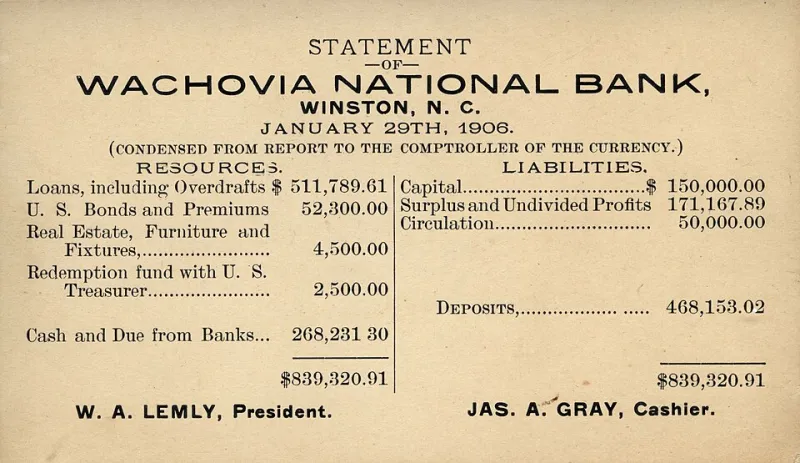
Photo: Wachovia National Bank, Winston, NC, Public domain, via Wikimedia Commons
Every luxury tower sells the same fantasy: polished stone, concierge light, a pool suspended above the city. What no marketing deck displays is the association's balance sheet — and in the American condo market, that document is where dream purchases quietly become decade-long obligations. The discipline is simple to describe and rarely practiced: before you fall for the amenity floor, audit the ledger beneath the lobby.
Start With the Reserve Study, Not the Square Footage
Every well-run association commissions a reserve study — a third-party engineering assessment of the building's major components and the funds set aside to repair them. It is the single most predictive document in tower ownership, and most buyers never ask to see it.
Three numbers matter. First, the percent funded: a healthy building typically maintains reserves above 70% of the study's recommended level; anything under 40% signals deferred maintenance with a reckoning attached. Second, the age of the study — one older than three years suggests a board avoiding bad news. Third, the funding method: buildings that fund reserves to full replacement cost weather surprises; those funding to a bare statutory minimum are one roof away from a special assessment.
Board Minutes: Where the Truth Leaks Out
Reserve studies are polished. Board minutes are not, which is precisely why they are valuable. Request twelve months of approved minutes and read them the way an analyst reads filings.
Recurring mentions of elevator modernization, facade inspection mandates, garage waterproofing, or "engineering consultants" are rarely routine — they are the prelude to a vote. A motion to "obtain proposals" for a capital project is a leading indicator; the assessment often follows within eighteen months. Likewise, note any discussion of insurance renewals. In coastal markets from Miami to the Carolina coast, premiums have doubled and tripled since 2022, and associations are quietly absorbing costs that will eventually reach owners through either dues or assessments.
The Red Flags That Cost Real Money
Consider the patterns that have burned buyers in real US markets. A Florida high-rise that had deferred concrete restoration for a decade presented a $38,000-per-unit special assessment to new owners — who, under Florida's post-Surfside disclosure regime, at least received warning. In other states, buyers have closed on units and received assessment notices within ninety days, learning only afterward that the litigation line item in the budget referred to an active construction-defect suit against the developer.
That litigation line deserves its own warning. A construction-defect lawsuit is not necessarily disqualifying, but it will follow the building: lenders may restrict financing in the tower, resale liquidity dries up, and settlements are funded by owners. If you see one, get the complaint, the insurer's position, and the association counsel's assessment of exposure — in writing, before you waive contingencies.
Ask These Questions, Get Answers in Writing
- What is the percent funded, per the most recent reserve study, and what is the annual contribution?
- Are there any pending or threatened lawsuits involving the association, the developer, or the building envelope?
- What capital projects are planned in the next 36 months, and how will they be funded?
- Have special assessments been levied in the past decade, and what were they for?
- What is the owner-occupancy ratio, and are there units in arrears on dues?
That last question matters more than it appears. A building where a meaningful share of owners are delinquent is a building where the diligent subsidize the defaulting — and where dues increases loom.
Luxury Is a Balance Sheet
The finest tower in any American skyline is, financially, a shared enterprise among hundreds of co-owners. Its long-term livability — and your resale value — depends less on the lobby's marble origin than on the discipline of the people managing its reserves. The buyer who reads the ledger before signing is not being cynical. They are simply ensuring that the luxury they are purchasing is the kind that lasts.